
Properties & Uses
of Molasses
-
 Properties & Characteristics
 -
 Animal Nutrition
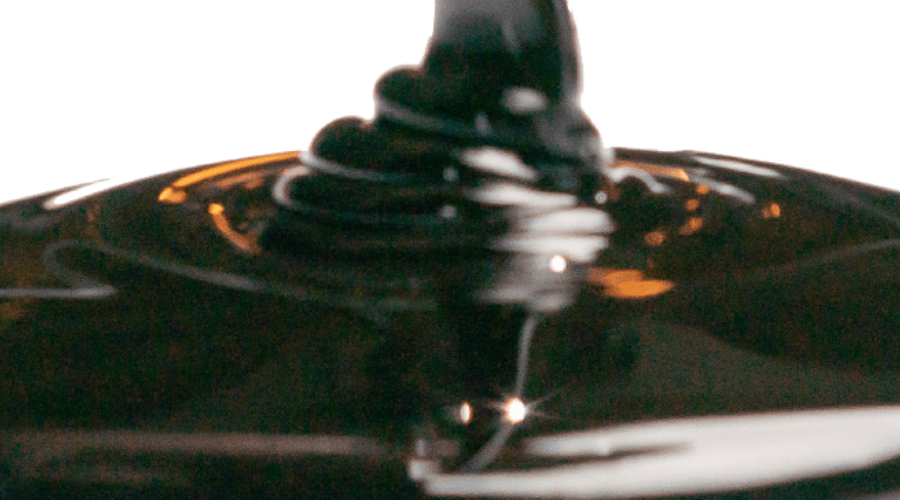
Molasses has a unique combination of properties that make it suitable for a wide range of applications.

Molasses is an excellent source of sugars
The primary sugars found in molasses are sucrose, glucose, and fructose

Brix
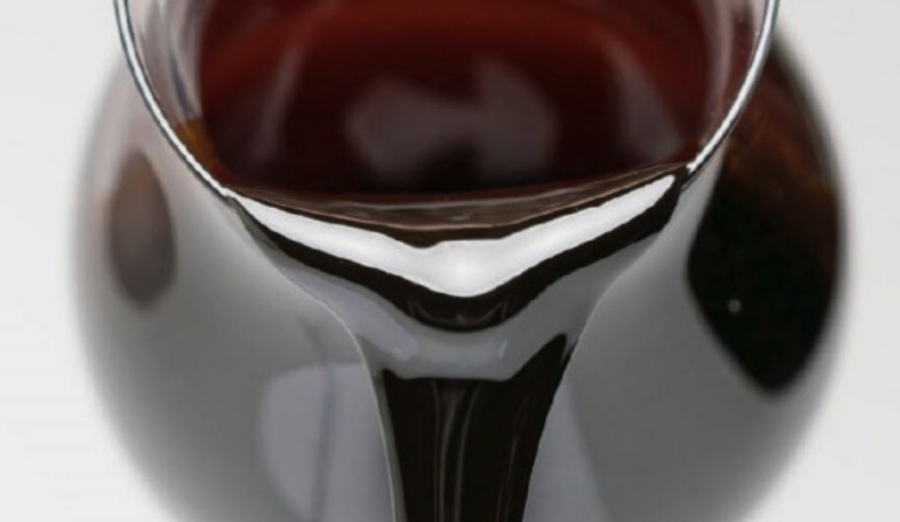
The °Brix scale is a widely recognised measure of sugar concentration in aqueous solutions. A refractometer (also known as a °Brix meter) is used to determine the °Brix value quickly, accurately, and safely by measuring how light is refracted as it passes through a liquid. The greater the degree of refraction, the higher the sugar concentration, which is then expressed as a °Brix value.
Sugars
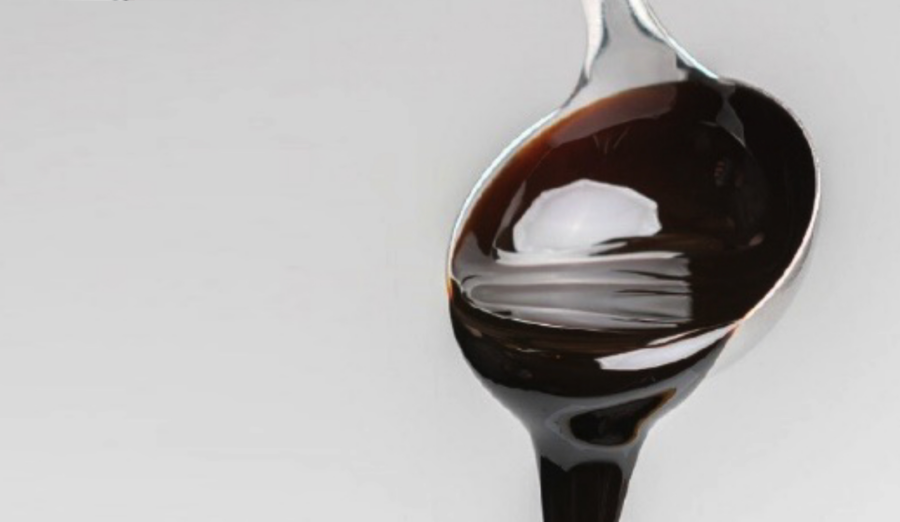
The main sugars present in molasses are sucrose, glucose, and fructose. The most common analytical method used in the laboratory to measure sugar content in molasses is the Lane & Eynon method.
The overall sugar level in molasses varies according to the origin of the raw material and may reflect the efficiency with which the raw sugar has been processed.
pH
Sugar cane molasses typically has a pH between 4.8 and 5.5, whereas sugar beet molasses has a pH of 7.0 or above.

Viscosity
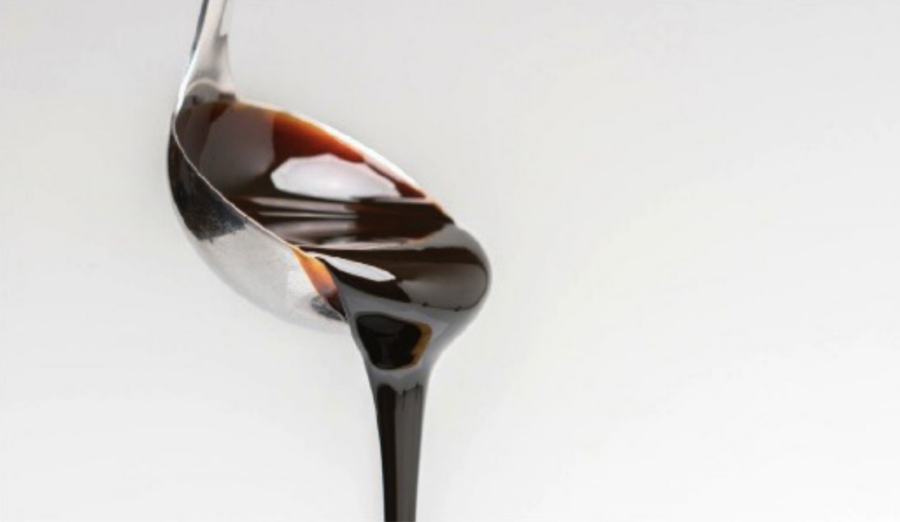
Molasses is a highly viscous liquid. Unlike low-viscosity liquids such as water, molasses exhibits laminar flow.
The viscosity of molasses varies depending on its origin and the type of organic matter it contains.
Viscosity can be controlled by adjusting the dry matter content and temperature.